Table of contents
Guidebooks still promise “must-sees”, yet travelers are increasingly measuring a trip by what didn’t make the checklist, the quiet conversation in a neighborhood bar, the morning market that wasn’t “Instagrammable”, the detour that turned into a story. As tourism rebounds and cities debate crowding and identity, the question isn’t only where to go, it’s how to read a place without flattening it into highlights. Your itinerary can organize time, but it can also hide what matters most.
When “must-see” crowds erase the place
How authentic can a landmark feel when you’re shuffling in a single-file queue, hearing more languages than the one spoken outside the gate? It’s the paradox of modern travel: the more a city’s icons are promoted, the more they risk becoming stages, polished for visitors and drained of the everyday life that made them magnetic in the first place. The itinerary, built around famous stops, often amplifies that effect because it sends thousands of people to the same corners at the same hours, compressing local rhythms into a narrow viewing window.
Data illustrates the pressure. The UN World Tourism Organization reports that international tourist arrivals returned to about 88% of pre-pandemic levels in 2023, a sharp rebound that brought economic relief, and renewed strain on popular destinations. Separately, the World Travel & Tourism Council estimates travel and tourism contributed roughly 9% of global GDP in 2023, which helps explain why cities court visitors even as residents complain about congestion, housing pressures and the “theme-park” feeling of historic centers. When numbers rise fast, a classic itinerary becomes a funnel, and the authentic parts of a city, the uncommodified routines, get pushed further out of view.
This is where your schedule “isn’t telling you” something important: authenticity is not a location, it’s a relationship. If you only move between attractions designed to absorb crowds, you may meet a place’s infrastructure, but not its personality. That doesn’t mean skipping icons altogether, it means understanding what they represent to locals, when they breathe, who uses them on ordinary days, and what sits just beyond the postcard frame. The difference between consuming a site and meeting a city can be as simple as arriving early, staying later, or taking one stop off the main line.
The real story hides in ordinary hours
What happens in a city at 7:12 a.m.? Most itineraries start later, once museums open and cafés switch into visitor mode, yet a place reveals itself in the early shifts, on commuter platforms, in bakeries serving regulars who don’t look up at the décor. These hours are not “activities” in the tourism sense, but they are dense with local codes, the pace of greetings, the way people queue, the kinds of food grabbed on the run, the small courtesies and small frictions that shape daily life.
Travel research backs the idea that experience is often built in unscripted time, not in headline moments. Academic work in tourism studies has long described a shift toward experiential travel, where visitors seek participation and learning rather than passive viewing; meanwhile, platforms that monetize “experiences” have professionalized what used to be spontaneous. The itinerary rarely warns you that the most “authentic” moments can vanish once they are packaged, timed and resold, even when the intentions are good and the guides are passionate.
So how do you find ordinary hours without turning them into another performative hunt? Start with the city’s functional geography, not its famous map pins. Follow where people shop for the week, not where they shop for souvenirs, look for public libraries, community centers, small sports grounds and waterfront promenades that serve residents first, and read local event listings even if you can’t catch the entire show. If you’re traveling to Auckland, for example, your best sense of the city won’t come only from a skyline photo, but from how neighborhoods connect, how the harbor shapes movement and mood, and how quickly urban life blends into volcanic landscapes. For planning that keeps space for these “ordinary” discoveries, resources such as https://www.auckland-trip.com/ can help you structure essentials while leaving room for the day to breathe.
Local culture isn’t a souvenir to buy
Here’s the uncomfortable question: are you visiting a culture, or consuming it? Many itineraries treat culture as a series of purchasable moments, a dance show at 6 p.m., a “traditional” dinner at 7:30, a photo opportunity at 8. The problem is not that performances exist, they can be meaningful, community-led and economically vital, the problem is when an itinerary implies that authenticity is something staged on demand, detached from context and stripped of its tensions.
In places where Indigenous culture is central to identity, the stakes are higher. Cultural experiences can support language revitalization and local enterprises, but they can also drift into caricature if demand rewards simplified narratives. The itinerary usually doesn’t mention who controls the story, where the money goes, and whether the community asked to be “visited” in that way. Responsible travel requires sharper questions: Is the experience led by people from the culture presented? Is there transparency about ownership? Does it respect protocols, sacred sites and intellectual property? If the answers are vague, the “authentic” label is often just marketing.
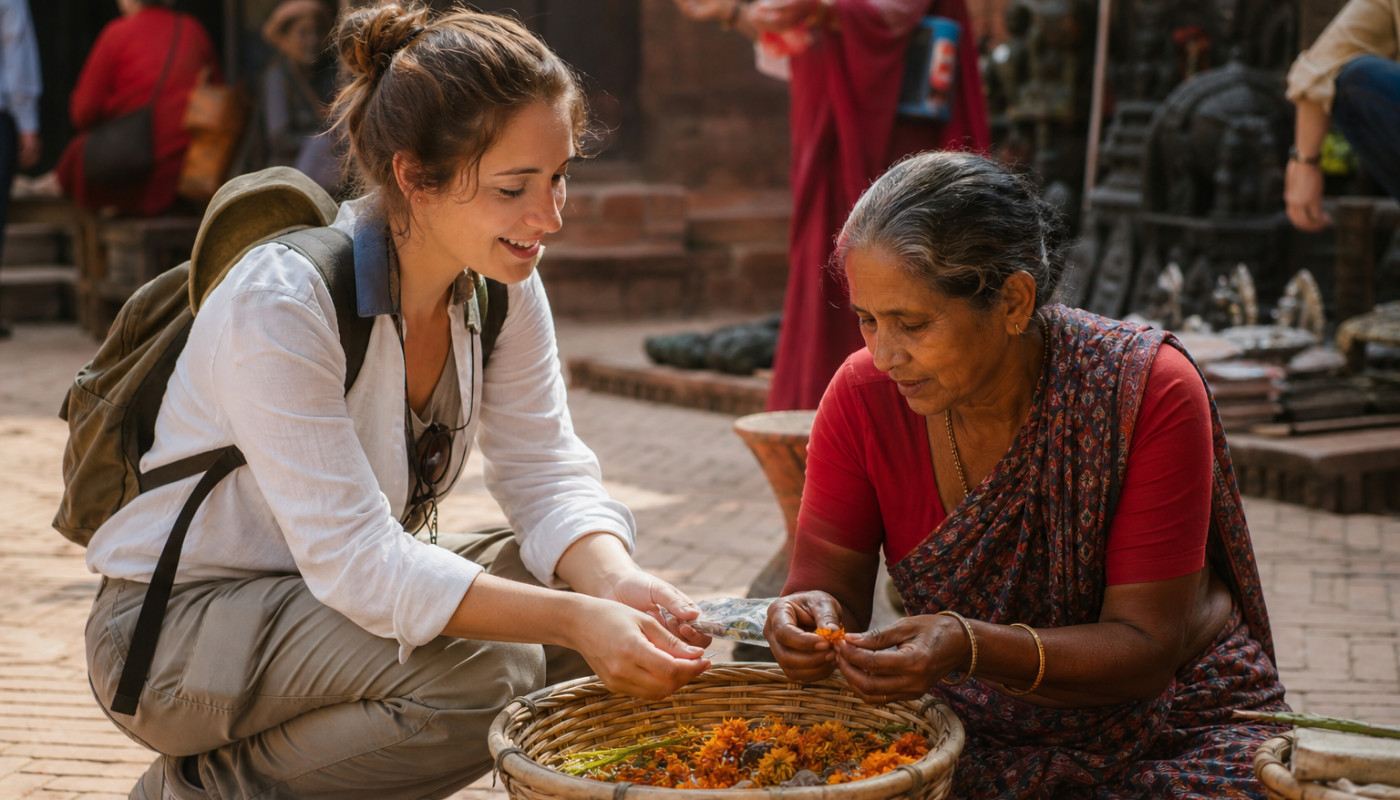
Authentic engagement is slower and more specific. It might mean choosing community-run tours, museums that collaborate with local groups, or events where visitors are guests rather than the main audience. It also means accepting that you won’t be invited into everything, and that some practices are not for outsiders, full stop. A good itinerary should set expectations accordingly, encouraging respect over access, and curiosity over extraction. When it does, you come away with more than photos, you carry a more accurate story, and you’re less likely to mistake consumption for connection.
Authenticity is often one decision away
Think your itinerary locks you in? It doesn’t, unless you let it. The most authentic shift can come from a small, practical decision: swapping one peak-time visit for an off-peak hour, taking public transport once to understand the city’s skeleton, choosing a neighborhood restaurant that looks busy with locals, or asking a hotel receptionist not for “the top three sights” but for where they would take a friend who’s never been. These are low-effort moves that change the texture of a trip, and they rarely cost more money, they just cost a little certainty.
The itinerary also won’t tell you how much authenticity depends on basic travel hygiene: time buffers, realistic distances and fewer “musts”. Overpacked schedules create stress, and stressed travelers default to the easiest, most tourist-oriented options, the nearest chain, the fastest queue, the most obvious viewpoint. Build slack into each day, and suddenly you can follow a smell from a bakery, step into a local market, or stay for the second half of a conversation. That’s not romantic theory, it’s logistics, and logistics decides what you notice.
Finally, authenticity is shaped by where you put your money. The tourism economy is not neutral; spending supports certain neighborhoods, certain business models and certain kinds of city life. Choosing locally owned operators, paying fair prices, tipping where appropriate and respecting capacity limits are tangible actions that help keep places livable. The itinerary tends to reduce these choices to convenience, but you can read between the lines, and treat each booking as a vote. The trip becomes less about completing a route, and more about participating responsibly in someone else’s home.
Make room for the unplanned
Reserve key visits early, then protect open time, especially in the mornings and one full afternoon. Set a clear daily budget for transport, food and one paid activity, and check whether local passes or seasonal deals can reduce costs. When available, prioritize community-led tours, and ask operators about accessibility, cancellation rules and group size before you pay.
Similar

Why Every Itinerary Should Embrace The Art Of Unplanned Detours

Why Hidden Towns Deserve A Spot On Your Next Itinerary

Rethinking Classic Tours: The Surprising Value Of Flexible Itineraries

Getting Lost On Purpose: The Hidden Advantages Of Unplanned Travel Days
